





In-bay automatic
Our in-bay automatic car wash systems cover every need in automatic vehicle washing across different ranges, from the most functional to the most sophisticated. Always with the highest technological reliability.
-
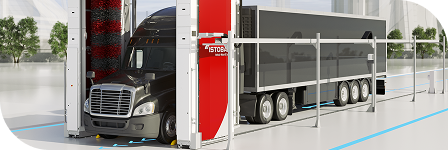
 ISTOBAL M'WASH PRO Extended Height & WidthISTOBAL'S M'WASH PRO is available in an extended height and width option. All of the flexibility and ....
-
 ISTOBAL M'WASH PROISTOBAL unifies the latest technology and aesthetics of the group’s European models with the ....
-
 ISTOBAL M'1ISTOBAL’s most competitive model is surprising in many ways: aesthetics, mechanics and function. ....
IN-BAY AUTOMATIC CAR WASH SYSTEMS
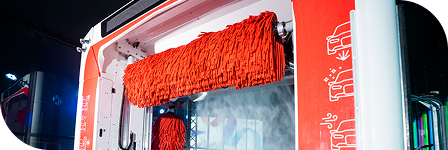
ISTOBAL in-bay automatics (rollovers) represent the latest evolution in automatic wash technology, combining efficiency, innovation and a design that optimizes every phase of the vehicle cleaning process. With a wide range of models built to meet different market needs, ISTOBAL delivers solutions that maximize profitability and the user experience.
ISTOBAL M'WASH4: Full connectivity and innovation - The ISTOBAL M'WASH4 is ISTOBAL's most advanced high-end in-bay automatic, engineered for smart, efficient and safe washing. Its technology delivers:
- High side pressure and 360° rotating drying, ensuring a deep clean even in the hardest-to-reach areas.
- Touchscreen with intuitive software, making program setup and consumption optimization easier.
- Greater energy efficiency and lower operating costs, with dynamic dosing systems that optimize chemical and water use.

ISTOBAL M'WASH3 PRO: Flexible technology and high performance - This in-bay automatic stands out for its adaptability and high level of customization:
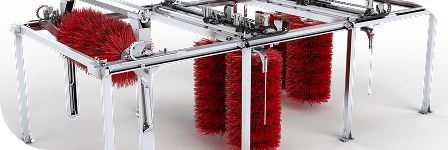
- Available in 3- and 5-brush versions, with the option to convert without changing the machine structure.
- Brush tilt system for more precise cleaning in the vehicle's trickiest areas.
- High-performance drying with low-rpm motors, cutting electricity consumption without sacrificing quality.
- Smartwash connectivity, enabling remote control and monitoring for efficient business management.

ISTOBAL M'WASH3: Versatility and control - This model balances advanced technology with ease of use:
- Brush rotation and pressure control through frequency inverters, optimizing every wash.
- Programmable LED lighting, improving the user experience and visibility at every wash phase.
- High pressure with oscillating nozzles and advanced chemical spray, ensuring maximum coverage and dirt removal.
- Customizable program configurator, adjusting intensity and functions to each need.
- High versatility, with different size and brush combinations that cover the cleaning needs of today's vehicle fleet.

ISTOBAL M'WASH2: Compact and efficient - Built for tighter spaces without compromising wash quality:
- Rugged structure with multiple configurations, plus a range of options and prewash and high-pressure varieties.
- Up to 15 customizable wash programs, allowing you to optimize your commercial offering.
- Chemical injection after the solenoid valve, increasing the effectiveness of cleaning products.
- High pressure and wheel wash with rotating nozzles, improving the final result even in hard-to-reach areas.
Maximum profitability with advanced technology
The ISTOBAL in-bay automatic range not only delivers an impeccable clean but also commits to sustainability with water-saving systems, reduced electricity consumption and chemical optimization. Thanks to Smartwash connectivity, operators can monitor the entire operation on site, improving operational efficiency and reducing costs.
If you're looking for innovation, efficiency and a superior wash experience, ISTOBAL in-bay automatics are the ideal choice for your business.

How do in-bay automatic car washes work?
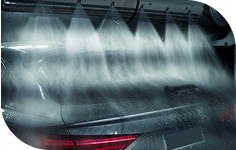
In-bay automatics are automated systems that clean vehicles while they stay parked in a fixed position. These machines require the driver to position the vehicle correctly in the wash area, which is why ISTOBAL in-bay automatics include sensors that automatically detect the car and adjust its correct position. During the process, the brushes, high-pressure nozzles and drying systems move over the vehicle, applying treatments such as prewash, foam wash, rinse, waxing and drying. Everything is programmed to optimize time, water and chemical consumption and guarantee an efficient result.
How much water does an in-bay automatic use?
Water consumption in an in-bay automatic depends on the model and the technology used. Traditional systems can use between 150 and 400 liters per car. However, in-bay automatics with water recycling systems can cut this consumption to 30-50 liters per wash, making them more sustainable and efficient.
Are in-bay automatics efficient?
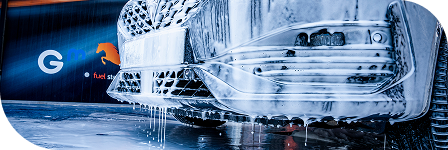
ISTOBAL in-bay automatics feature foam brush or high-pressure nozzle systems that remove dirt without damaging the paint. They also include smart sensors that optimize cleaning based on the vehicle's shape, chemical dosing systems, waxing and shine options, and pressurized-air drying to guarantee a perfect finish.
Are in-bay automatics safe?
In-bay automatic vehicle washes are safe as long as they are used correctly and kept in good condition. There are key factors to consider to ensure the safety of the vehicle, the user and the machinery itself.
For vehicle safety, the latest-generation in-bay automatics are designed to adapt to different types of cars without damaging them. Thanks to their advanced technology, they include sensors that detect the size and shape of the vehicle, allowing the wash process to be adjusted and avoiding potential collisions or bodywork damage.
It is always important to follow the instructions on site to avoid damage to any sensitive vehicle part such as antennas or external accessories.
User safety is also essential. It is important to follow the guidance provided at the wash installation, such as stopping at the correct point and following every phase of the wash process.
Machinery safety also plays a crucial role in the correct operation of the wash system. It is essential that the brushes and high-pressure systems are in good condition to avoid damage to the car's paint and bodywork.
In short, in-bay automatics are always safe if used properly and serviced regularly. To minimize risks, we recommend checking the vehicle's manual and following the wash guidance before use, ensuring a safe and effective experience.

